
The Lotus Temple in Kalkaji
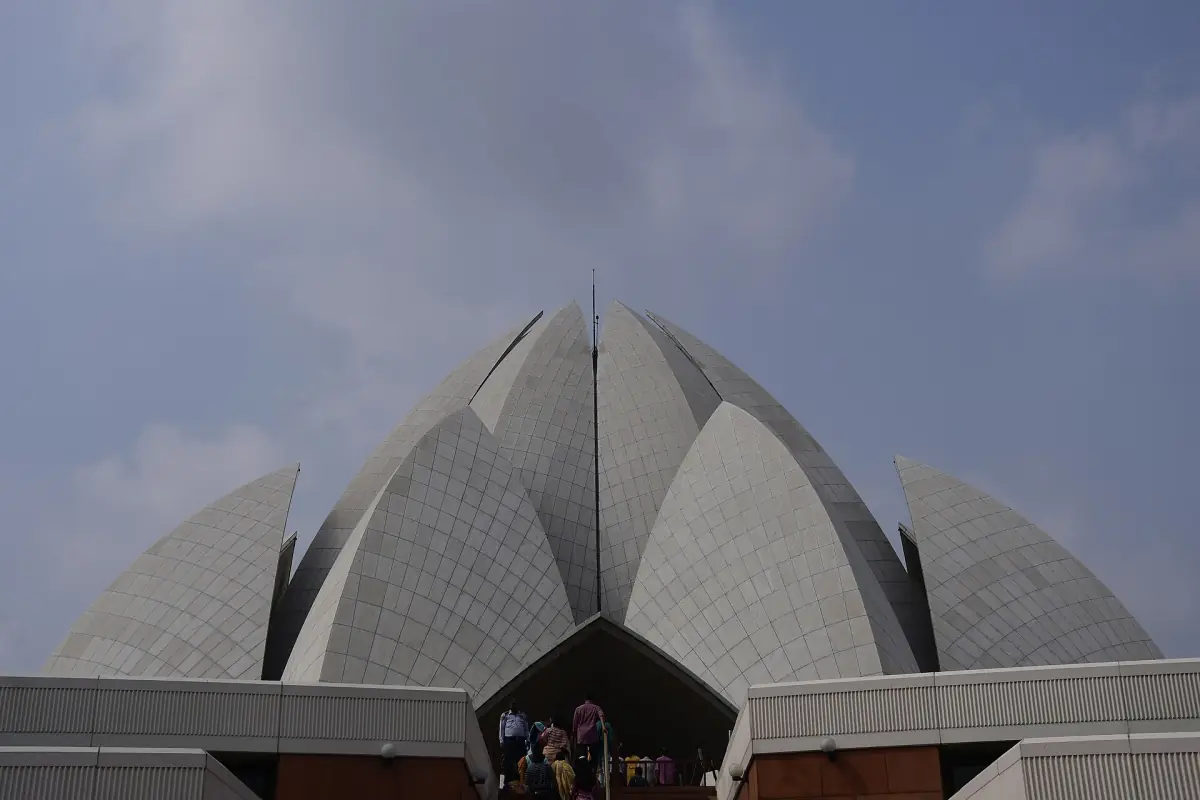
The Lotus Temple is the common name of the Bahai House of Worship in Delhi. Delhi Tourism lists entry as free, and the temple stands in the Kalkaji area of south Delhi. It is a place of quiet rather than a monument you tour in detail: most visitors come to see the building from the grounds, walk up to the entrance and, if the hall is open, sit for a few minutes.
Because entry costs nothing, the main questions are practical ones: how to get there, which days and hours apply, and what to wear. This page gathers those points. For other free or low-cost places in the city, the things to do in Delhi page gives an overview with entry details for the main sights.
Our pick: private city tour
Our take: This private old and new Delhi tour is a flexible city route by car, so agree the stops with the provider before you book.
Hand-picked tours, booked through GetYourGuide. Prices are indicative starting prices in US dollars (as of October 2026). Tap a tour for live availability and the current price in your currency.
Private tours of Old and New Delhi
A private guided tour with hotel or airport pickup, plus other Delhi sightseeing tours. Check the route options before you book.
Entry and location
The temple lies near Kalkaji in the south of the city. The metro station is Kalkaji Mandir, where the Violet and Magenta lines meet, so you can reach the temple by train from most parts of Delhi with at most one change. The last stretch from the station is on foot or by a short auto-rickshaw ride. The Delhi metro page explains fares and the stations for other sights.
You do not need a ticket. Staff at the gate guide the queue, and on busy days you may wait outside before you are let in. Arrive early in the day if you want a quieter visit.
Opening times and days
The operator publishes opening from Tuesday to Sunday between 08:30 and 17:00 and keeps the temple closed on Monday. Delhi Tourism lists a slightly different window, from 09:00 until 17:30. Before you go, check the current times on the operator's visitor page, and plan to arrive well before the earlier closing time. A Monday visit is not worth the risk.
The operator also lists prayer services at 10:00, 12:00, 15:00 and 17:00, each a short service of about a quarter of an hour. The hall can close when it is overcrowded or during heavy rain, so a visit in the monsoon may mean seeing the building from outside only.
Visitor rules to expect
These come from the operator's visitor information. Rules can change, so confirm them at the gate or on the current official page.
Clothing
The operator asks visitors to cover shoulders and knees. Bring a light scarf or a long shirt so you are not turned away.
Shoes and bags
Shoes are left outside before the prayer hall. Large luggage and food or drink are not allowed, so travel light and leave bigger bags at your hotel.
Photos
Photography is listed as allowed outside the prayer hall and the information centre. Delhi Tourism mentions permission for photos, so ask staff if you are unsure.
Groups and access
Groups of 10 or more people can register a visit, ideally 3 days ahead, and not on weekends or public days off. Wheelchairs are available at the main gate depending on availability.
These details come from older visitor pages, so treat them as a guide and check again on the day. Do not count on any single rule being unchanged.
What the private tour offers
The private Old and New Delhi tour is a guided day by air-conditioned car with hotel or airport pickup. A rickshaw ride in Old Delhi, monument tickets and lunch are included only if you select the matching option. Water and umbrellas are provided, and parking and taxes are covered. The route is set through the booking option you choose, so ask the operator which stops your option includes before you rely on a particular temple being on it.
Nearby in south Delhi
South Delhi has several major sights, though they are spread out. The Qutub complex lies in Mehrauli, and Humayun's Tomb stands on Mathura Road opposite the Nizamuddin shrine. These are grouped by area rather than a fixed day route, so allow travel time between them. Read more on the Qutub Minar and Humayun's Tomb pages. The Akshardham temple is another large temple site, but it has different rules and a different closing pattern.
Planning your visit
Plan about an hour in total if you want to walk around the grounds, queue and sit inside. Mornings tend to be cooler, and in the hot months the paved approach offers little shade, so bring water to drink before you reach the gate. If you travel by metro, remember that you need to leave bags that are too large at your hotel rather than at the temple.
Combining the temple with other places works best if you keep to one part of the city. The best time to visit Delhi page explains the cooler months and the closed days of other sights, which helps you avoid arriving on a Monday.
Lotus Temple: frequently asked questions
Is the Lotus Temple free?
Yes. Delhi Tourism lists free entry, and no ticket is sold at the gate.
Which metro station is closest?
Kalkaji Mandir, where the Violet and Magenta lines connect. The last part of the way is on foot or by a short ride.
Is the Lotus Temple closed on Mondays?
The operator lists Monday as the closed day, with opening from Tuesday to Sunday. Check the current page before you travel.
What are the opening times?
The operator lists 08:30 until 17:00, and Delhi Tourism lists 09:00 until 17:30. Check the time before you go and arrive early.
What should I wear?
Cover your shoulders and knees. Shoes are left before the prayer hall, and large bags are not allowed.
Can I take photos?
Outside the prayer hall and the information centre, the operator lists photography as allowed. Ask staff if you are unsure.