
Delhi weather: what the climate numbers tell you
Delhi weather has three clear moods: a short cool season in winter, a long hot spell that peaks in May and June, and a heavy rainy stretch from July to September. The table further down uses the official climate normals of the New Delhi station at Safdarjung, measured by the India Meteorological Department (IMD) over the period 1991 to 2020. If you search for new delhi weather, this is the same city and the same station.
These are averages of daily highs and lows and average monthly rainfall. They describe what a typical month looks like, not what the sky will do on your dates, and they are not a forecast or a record of any single month in 2026. Check a current forecast a few days before you travel and use this page to decide which season suits you.
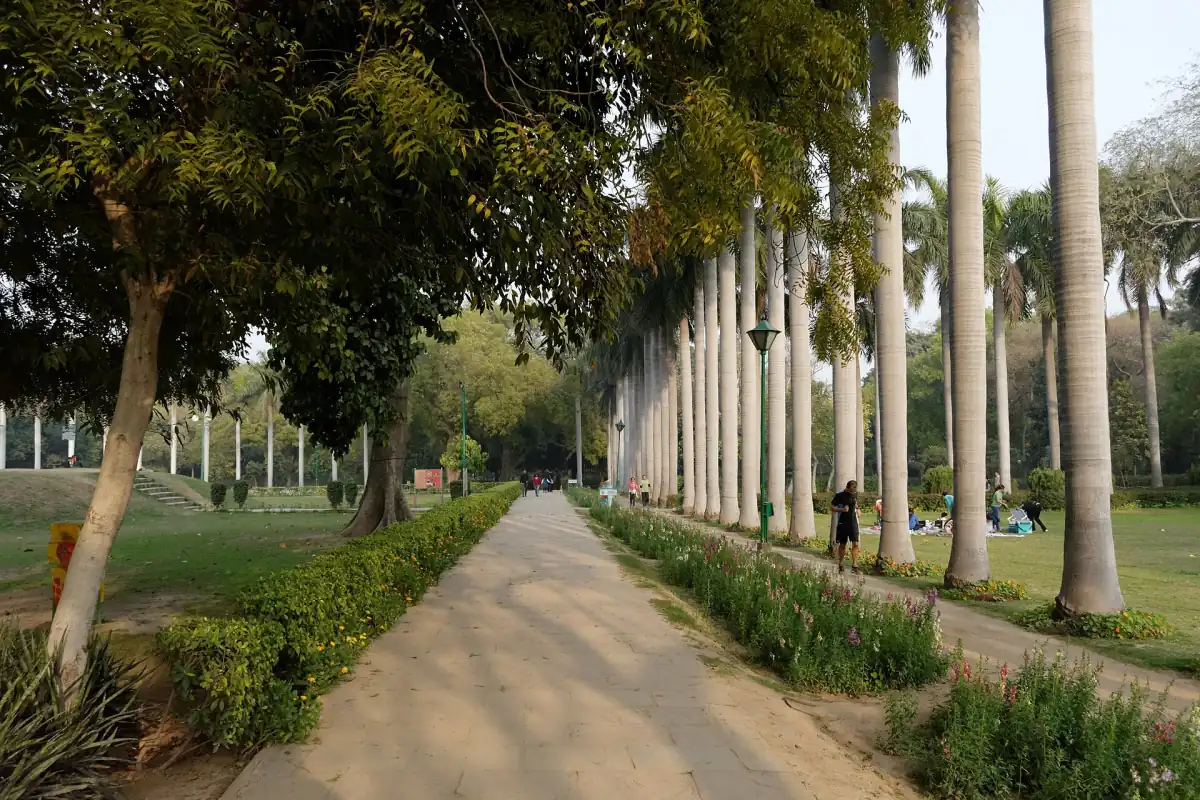
Our pick: Old Delhi bike tour
Our take: This morning bike ride with breakfast suits a day with mild weather, so check the forecast before you go.
Hand-picked tours, booked through Viator. Prices are indicative starting prices in US dollars (as of October 2026). Tap a tour for live availability and the current price in your currency.
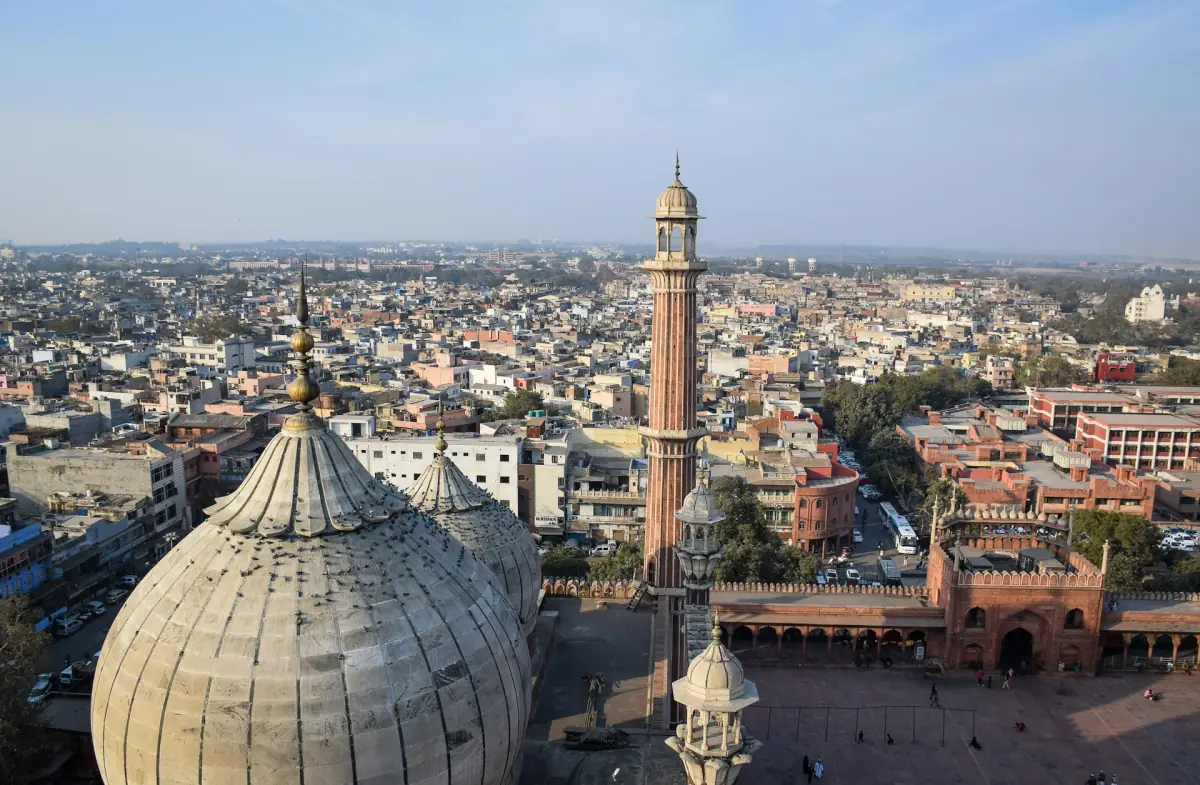
Old Delhi bike tour and other morning trips
A morning bike tour through Old Delhi with breakfast, coffee or tea and bottled water suits the cooler months, and other city tours with hotel pickup are listed with live prices and availability.
Delhi weather by month
IMD Safdarjung, climate normals 1991 to 2020. Highs and lows are monthly averages of the daily values, rainfall is the average monthly total.
| Month | Average high | Average low | Rainfall |
|---|---|---|---|
| January | 20.1 °C | 7.5 °C | 19.2 mm |
| February | 24.2 °C | 10.6 °C | 21.5 mm |
| March | 29.9 °C | 15.6 °C | 19.1 mm |
| April | 36.5 °C | 21.3 °C | 12.5 mm |
| May | 39.9 °C | 25.8 °C | 29.4 mm |
| June | 39.0 °C | 27.7 °C | 80.6 mm |
| July | 35.6 °C | 27.5 °C | 195.8 mm |
| August | 34.2 °C | 26.7 °C | 226.8 mm |
| September | 34.1 °C | 25.0 °C | 128.0 mm |
| October | 33.0 °C | 19.5 °C | 14.1 mm |
| November | 28.4 °C | 13.0 °C | 4.1 mm |
| December | 22.8 °C | 8.4 °C | 8.0 mm |
Read the table as a shape rather than a promise. Temperatures climb steeply from February to May, rain arrives in force in July, and the drop in both heat and rain between September and November is the reason many visitors aim for the cooler months. For a seasonal view with festival dates and weekly closures, see best time to visit Delhi.
Monsoon in Delhi
The table puts the wettest stretch from July to September. July averages 195.8 mm, August peaks at 226.8 mm and September still brings 128.0 mm. Because of these averages, outdoor sights such as the Red Fort courtyards or the Qutub Minar grounds can mean wet paths and short heavy showers in those months. The normals do not tell you when the rains start or end in a given year, so do not plan around a fixed date.
Rain also changes how you move. Old Delhi lanes and the walks between metro stations and monuments are easier with a light rain layer and shoes that grip. The Delhi Metro is a dry way to cover long distances between sights.
Heat in May and June
May has the highest average daily high at 39.9 °C, followed by June at 39.0 °C. June also has the warmest nights, with an average low of 27.7 °C, so the heat does not let go after sunset. April already averages 36.5 °C.
In these months, plan outdoor sights for the first hours after opening, take water and keep the middle of the day for indoor stops, a rest or a ride in an air-conditioned car. The things to do in Delhi page groups the sights by area, which helps you keep walking distances short.
Winter in Delhi: cool mornings, fog and air quality
Cool mornings
January has an average high of 20.1 °C and an average low of 7.5 °C. Mornings in winter are clearly cooler than afternoons, so bring a warm layer for early starts and take it off by midday.
Fog on the roads
The UK Foreign, Commonwealth and Development Office (FCDO) warns of poor visibility in fog when driving. If you take a long road trip, for example to Agra or Jaipur, leave room in your schedule and avoid driving yourself in low visibility.
Air pollution, October to February
The FCDO describes very high air pollution in northern Indian cities roughly from October to February. Children, older people and anyone with a health condition can be affected more strongly. The air quality body CAQM publishes air quality categories and a staged system of measures called GRAP. This page does not show a current air quality value or GRAP stage, so check the latest figures on the day.
Delhi in December
If you are planning Delhi in December, the normals give an average high of 22.8 °C, an average low of 8.4 °C and 8.0 mm of rain. That is mild in the afternoon and cold at dawn. December sits inside the period for which the FCDO flags air pollution, so build in flexibility for outdoor days, and keep a warm layer for early starts such as a morning tour. For the monuments, Red Fort and Humayun's Tomb are both open-air visits that ask for comfortable shoes more than for any gear. If you have not booked a bed yet, see where to stay in Delhi.
Delhi weather: frequently asked questions
What is the hottest month in Delhi?
May has the highest average daily high in the 1991 to 2020 normals at 39.9 °C, with June close behind at 39.0 °C.
Which month has the most rain?
August, with an average of 226.8 mm. July and September are also wet, at 195.8 mm and 128.0 mm.
How cold does Delhi get in winter?
January has an average high of 20.1 °C and an average low of 7.5 °C. December averages 22.8 °C and 8.4 °C. Mornings are the coolest part of the day.
Are these numbers a forecast for 2026?
No. They are climate normals for 1991 to 2020 at the Safdarjung station, so they show a typical month. Look up a current forecast before you travel.
Is the air in Delhi a problem in winter?
The FCDO points to high air pollution in northern Indian cities roughly from October to February. Check the current air quality on the day and plan flexible outdoor time, especially with children, older travellers or health conditions.
Is this the official Delhi weather service?
No. This is an independent guide and not the website of the India Meteorological Department, the Delhi government or the airport. The numbers come from the IMD Safdarjung climate table.